
Missoula Bike Trails
Explore the best Missoula mountain bike trails for epic mountain adventures, scenic valley rides, family outings, and challenging singletrack. Use this guide to find where to ride in Missoula and discover the trails that match your style.
Why Ride Missoula's Trails?
Missoula sits at the confluence of three river valleys — the Clark Fork, the Bitterroot, and the Blackfoot — ringed by the Rattlesnake, Sapphire, and Bitterroot mountains. That geography packs an extraordinary variety of mountain biking into a compact area: you can pedal from downtown to singletrack in under twenty minutes, climb to alpine ridgelines above 8,000 feet, or roll out a family-friendly gravel loop along the Clark Fork River Trail all in the same weekend.
What sets Missoula apart is the community-built trail network. Organizations like the Five Valleys Mountain Bikers Association (FVMBA) and the Montana Conservation Corps have spent decades cutting and maintaining trails across Pattee Canyon, the Rattlesnake Recreation Area, Blue Mountain, and Marshall Mountain. The result is a trail system that feels handcrafted — berms that flow, climbs that reward, and descents that earn their reputation.
Whether you are a first-timer looking for a mellow valley spin or a seasoned rider chasing technical descents on Mount Sentinel's M Trail, Missoula delivers. The riding season typically runs from May through October, with lower-elevation trails like the Clark Fork River Trail rideable nearly year-round. Use this guide to find the trail that matches your style, fitness, and sense of adventure.
Best Bike Trails in Missoula
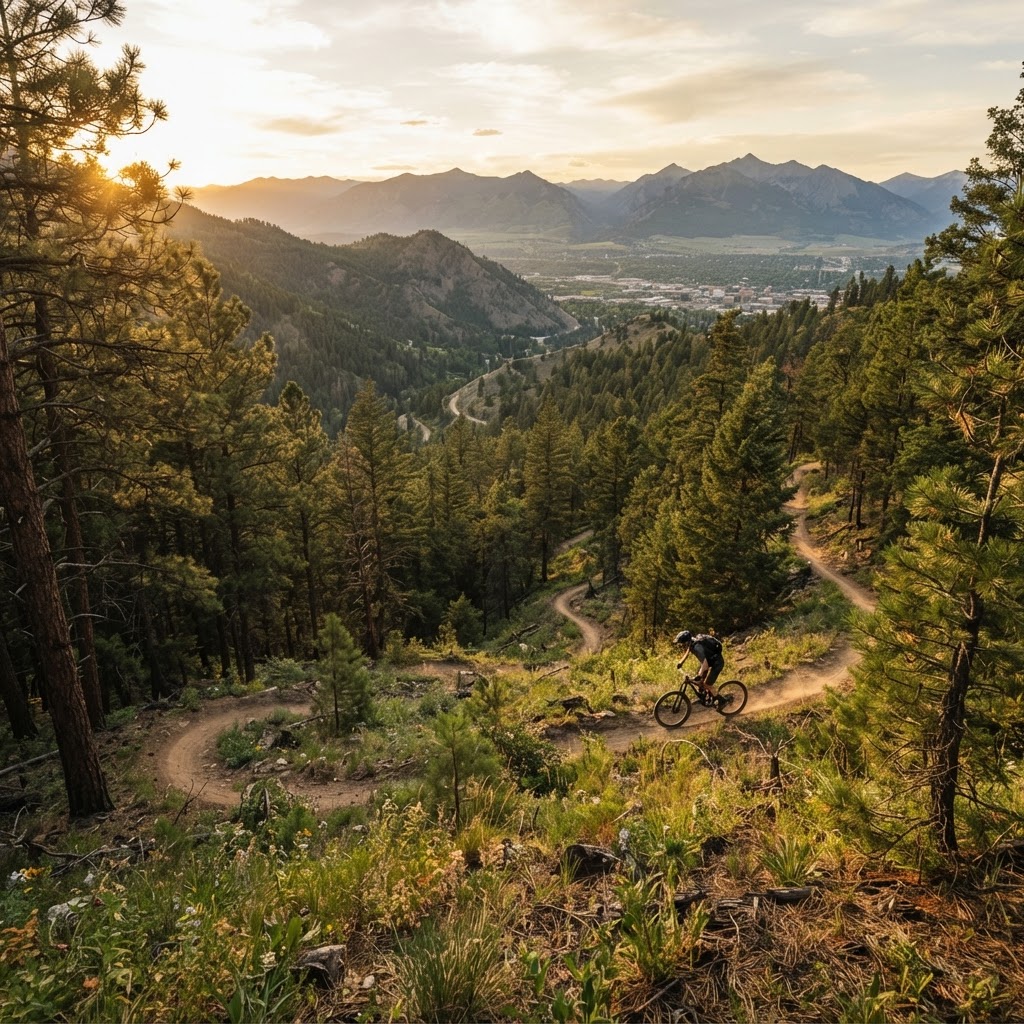
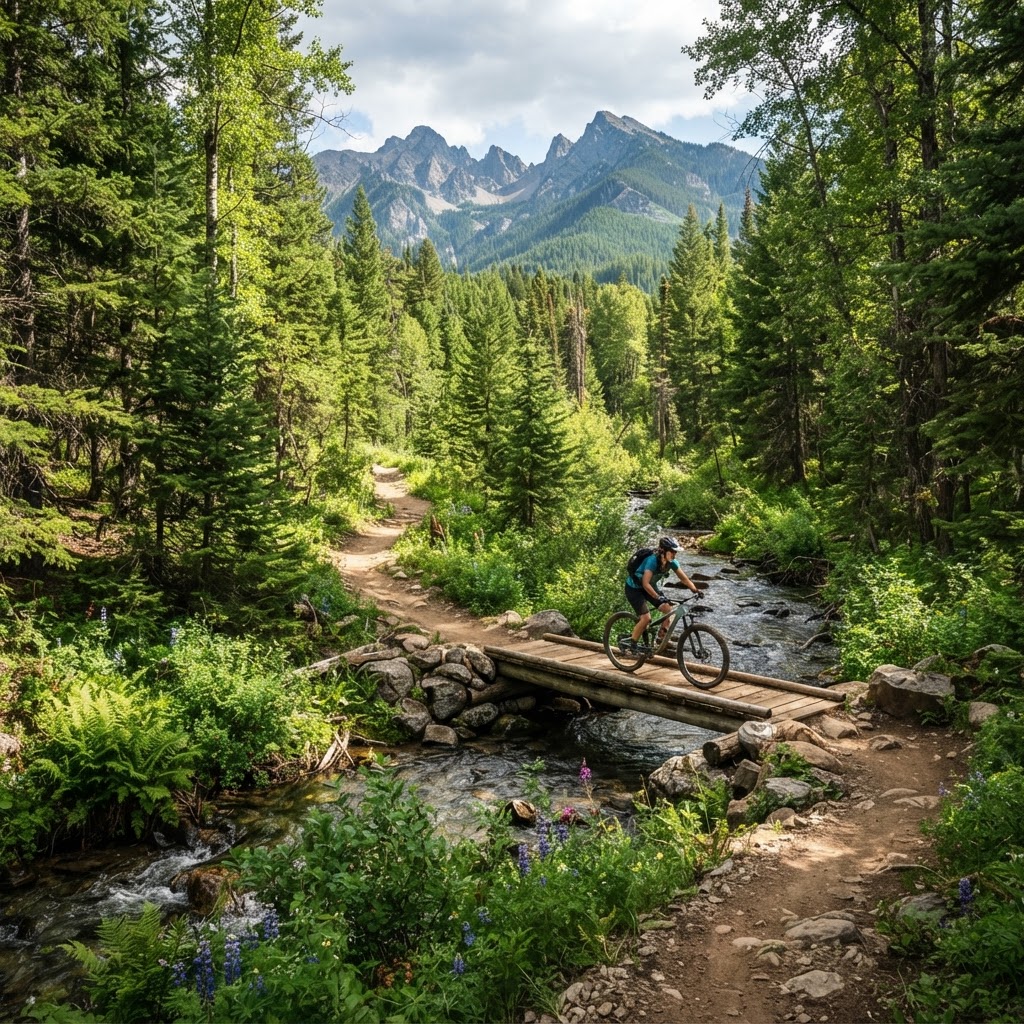
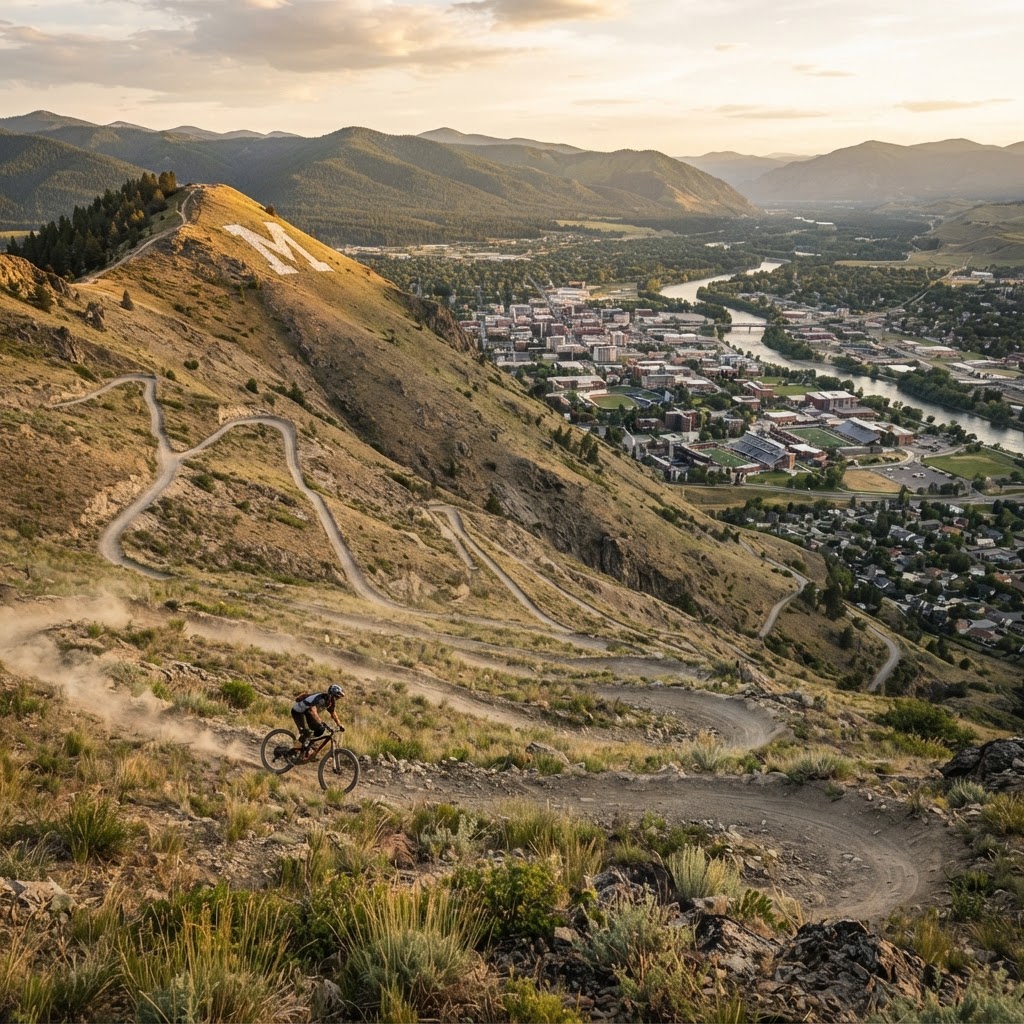
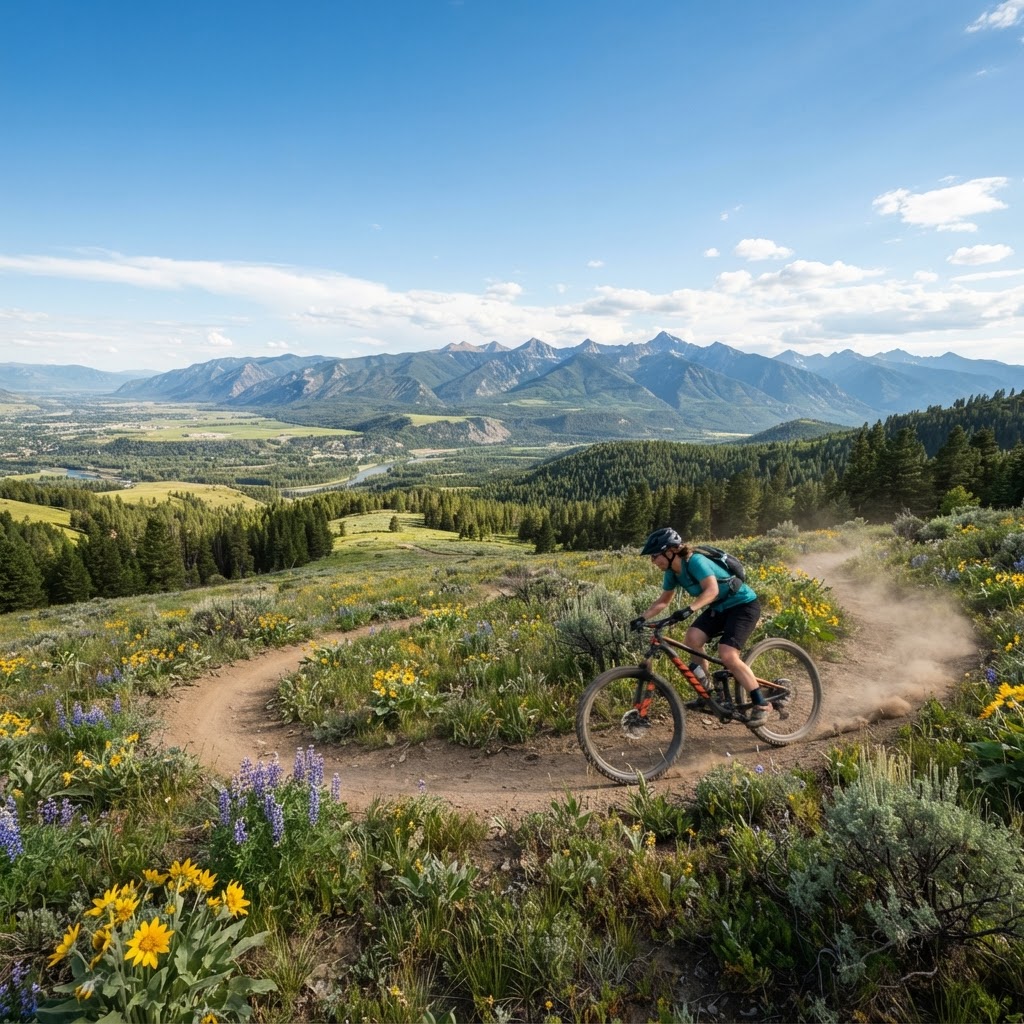
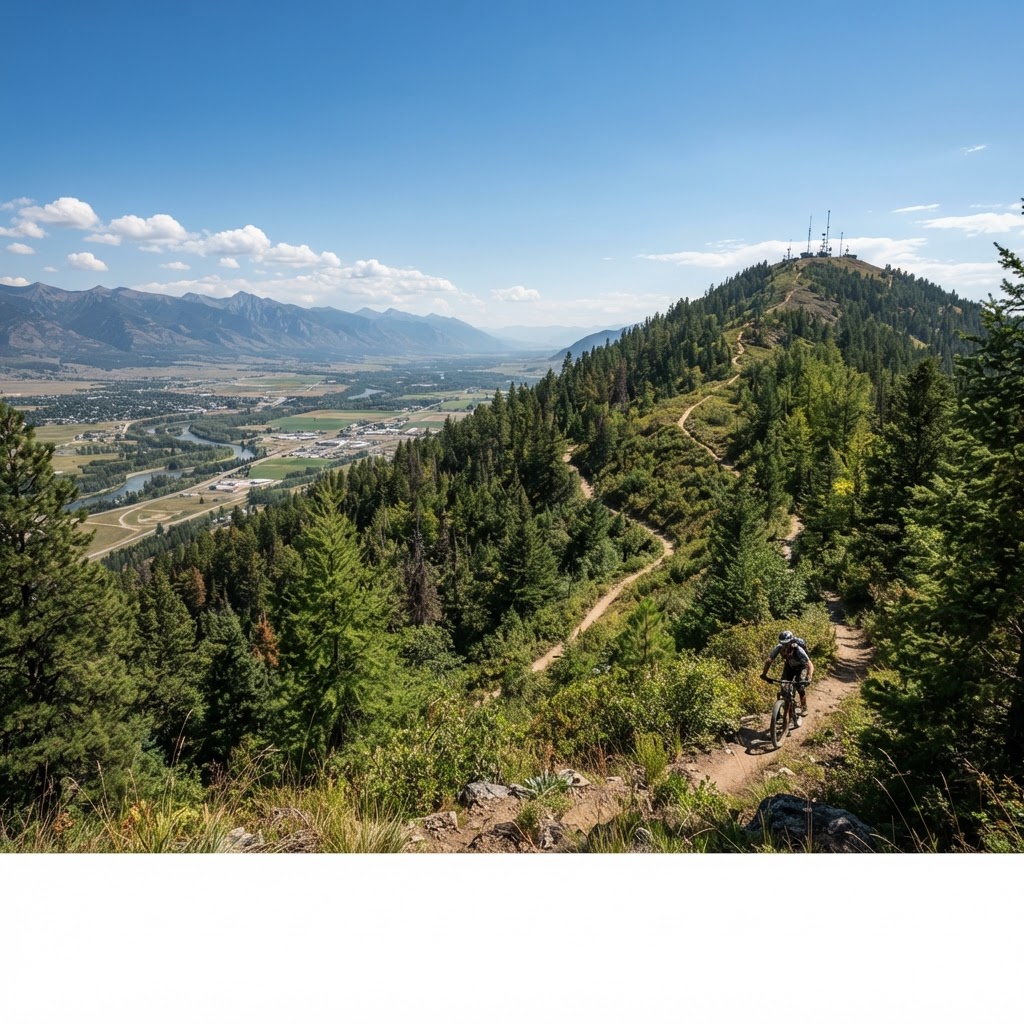
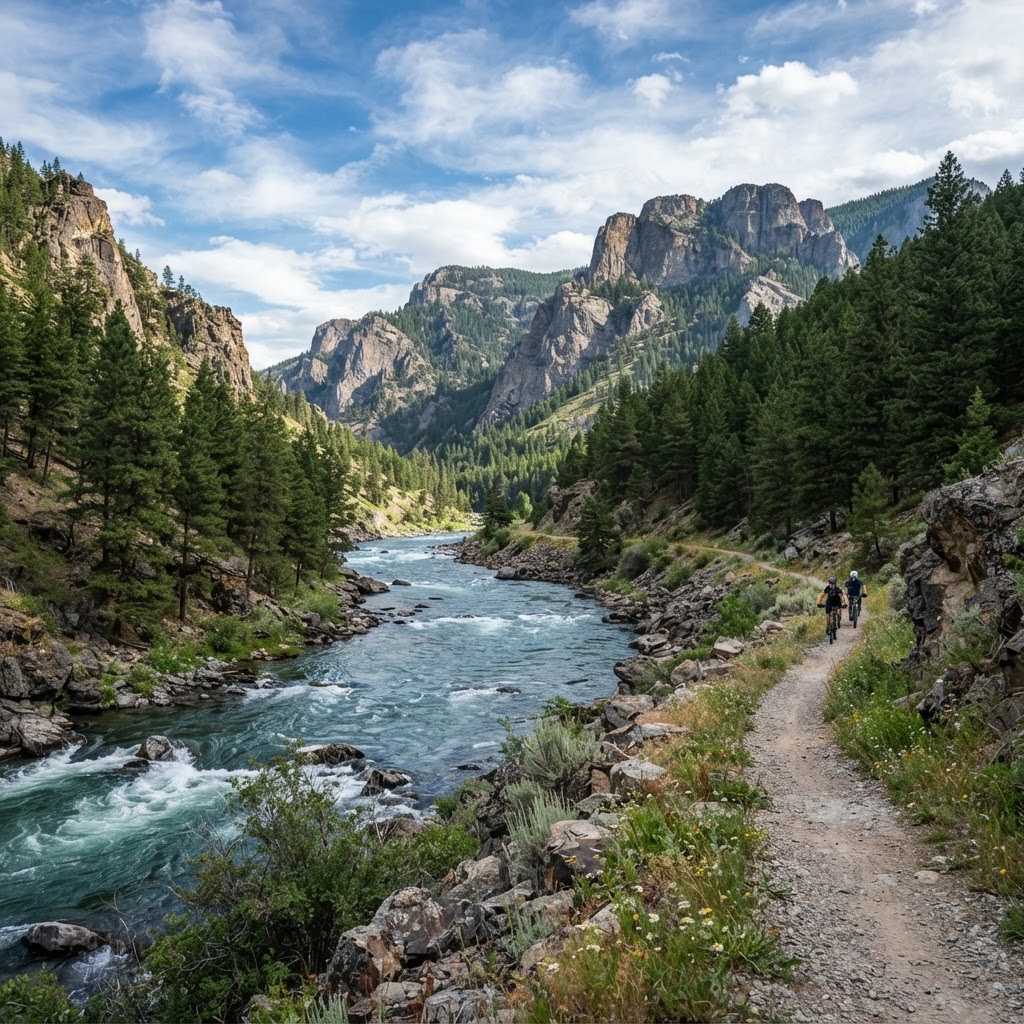
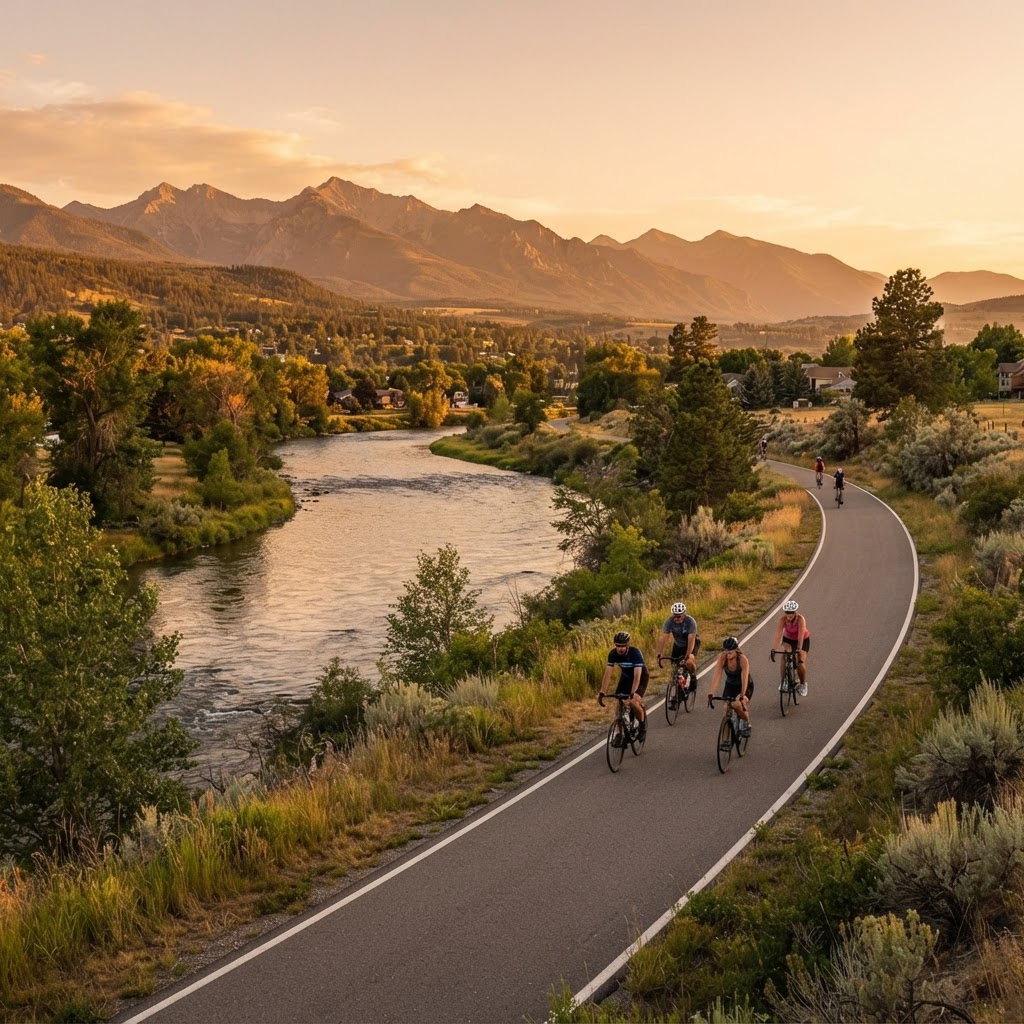
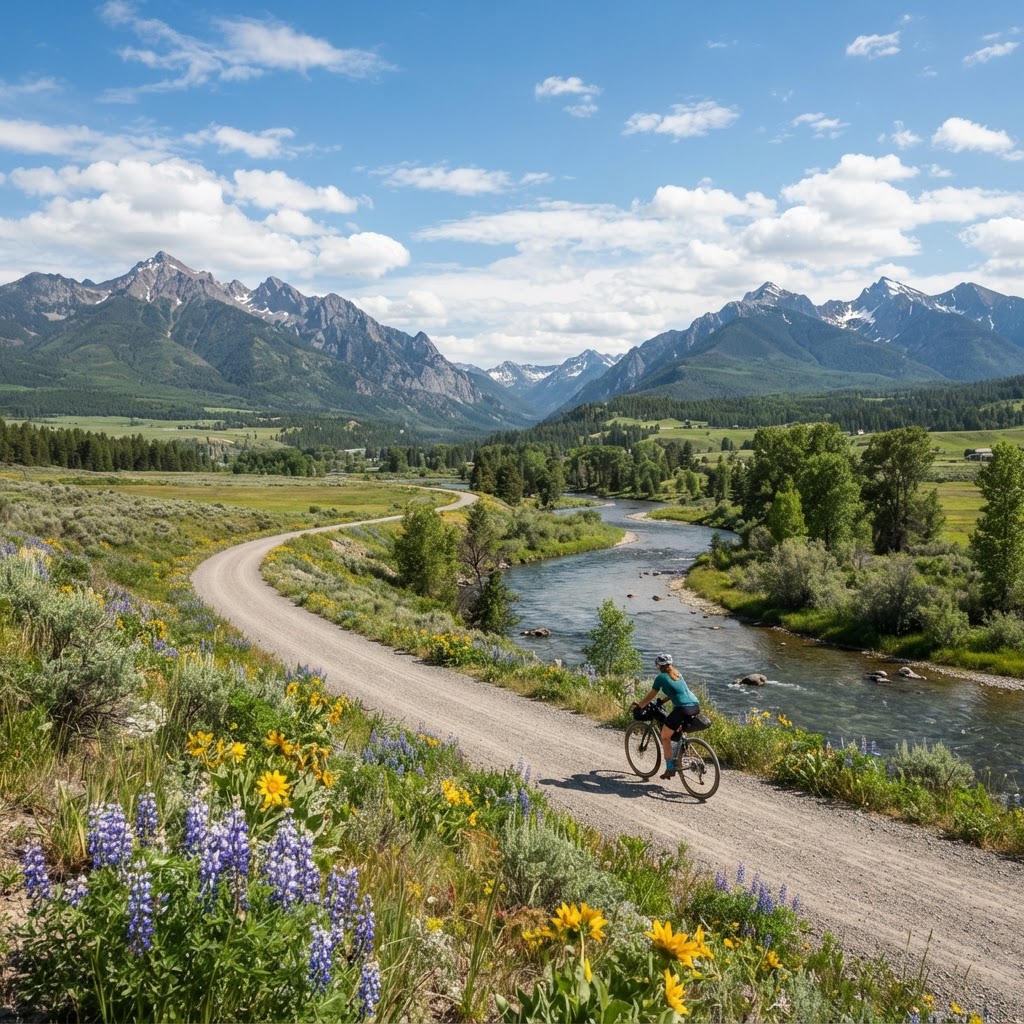
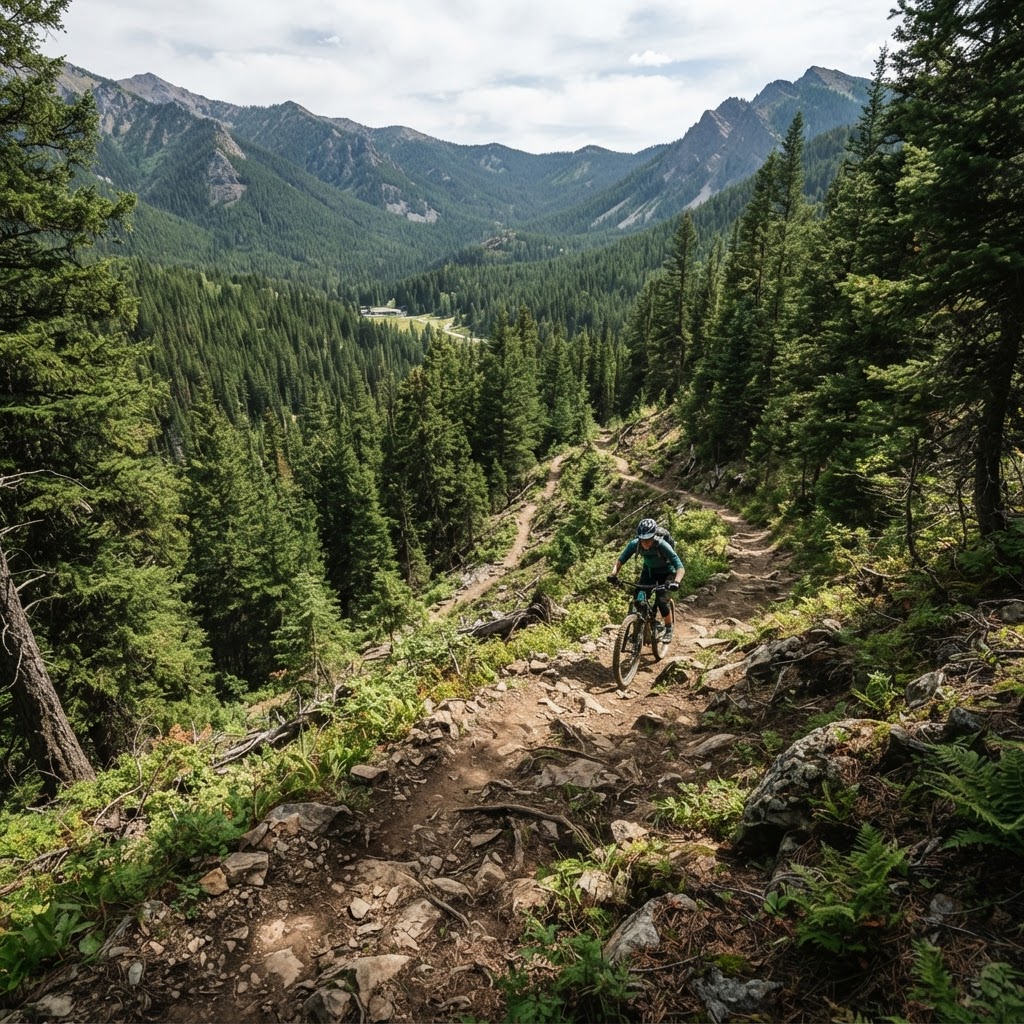
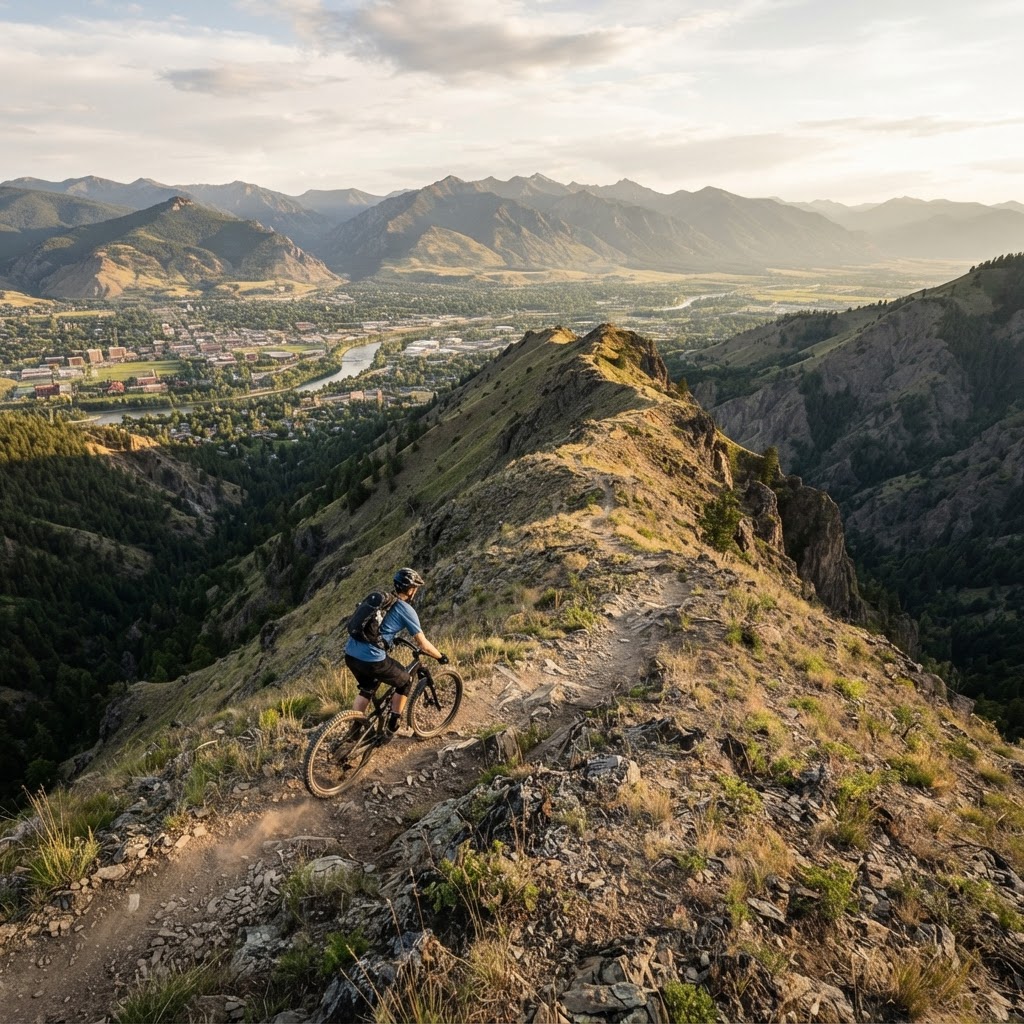
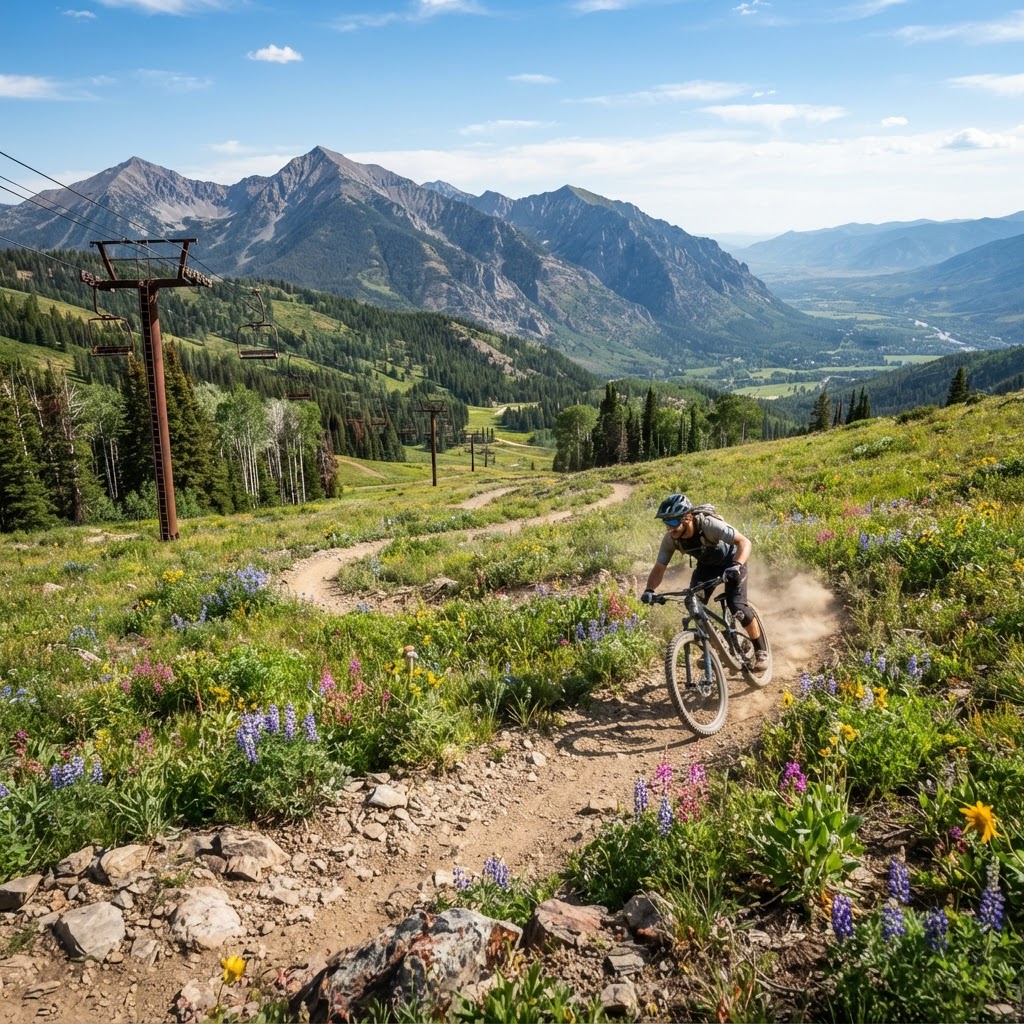
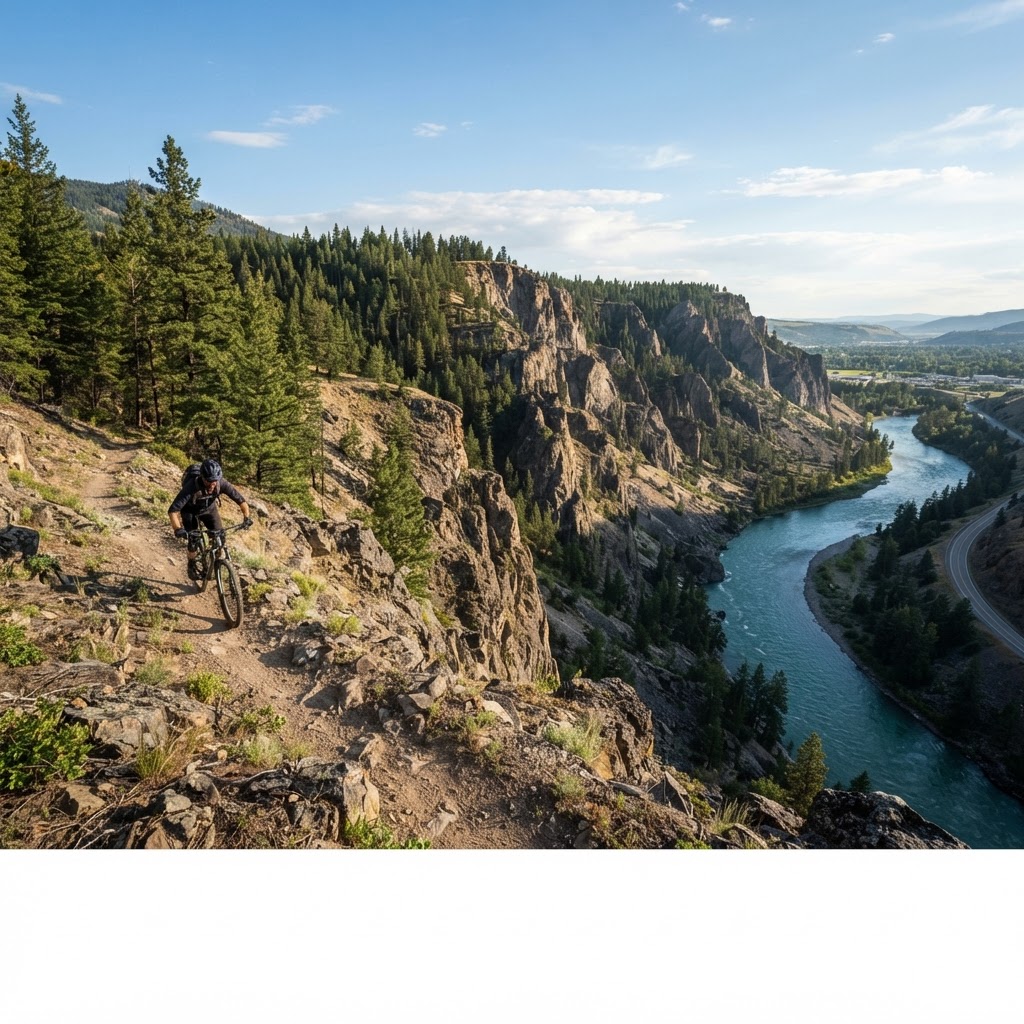
Best Bike Trails in Missoula for Every Ride Style
For the Flow Seeker
If you love bermed corners, rollers, and jump lines, head straight for Marshall Mountain. The former ski area has been reimagined as a mountain bike park with progressive downhill and flow trails that reward speed and commitment. The climb up Marshall Mountain Road is a grunt, but the descent — particularly the Flowtastic line — is worth every pedal stroke. Blue Mountain also offers excellent flow trails on its lower network, with options for both intermediate and advanced riders.
For the Climber
Missoula rewards climbers with some of the best ridge-top views in Western Montana. The Mount Sentinel M Trail is the iconic grunt — over 600 feet of elevation in less than a mile — and connects to the Sentinel ridge trail for extended riding. The Rattlesnake Ridge Trail offers a steadier climb through old-growth forest with a gentle grade that keeps going for miles. If you want a long, sustained climb with a technical descent, Lolo Pass delivers alpine scenery and high-elevation riding.
For the Family Rider
The Clark Fork River Trail is Missoula's crown jewel for families — a paved, flat path that follows the river through downtown and out to the university. The Kim Williams Nature Trail offers a gentle dirt surface alongside the river with shade and wildlife viewing. For a slightly longer family adventure, Pattee Canyon Road provides a quiet, scenic gravel climb with a rewarding descent.
For the Technical Rider
If you crave rocks, roots, and technical challenge, the Rattlesnake Recreation Area has steep, technical climbs and descents that test bike-handling skills. Mount Sentinel's ridge trail offers exposed, technical riding with serious exposure and stunning views. The Bitterroot River corridor trails south of Missoula also offer rugged, less-traveled technical terrain for riders seeking solitude and challenge.
Types of Missoula Bike Trails to Explore
Safety Tips
No description yet.
Weather Considerations
No description yet.
Terrain Type
No description yet.
What to Know Before Riding in Missoula
Trail Conditions Change Quickly
Missoula's trails are heavily affected by weather and seasonal use. Spring runoff leaves many trails muddy and unrideable — riding muddy trails damages the tread and creates ruts that last all season. Check our trail conditions reports before heading out, and if you arrive at a wet trailhead, turn around and choose a drier option. The Clark Fork River Trail and Kim Williams Trail are safe bets in wet conditions.
Wildlife and Bear Country
Missoula sits in bear country. Black bears are common on the Rattlesnake, Pattee Canyon, and Bitterroot trails, and grizzly bears are occasionally sighted in the more remote areas. Carry bear spray on your belt or pack strap (not in your bag), know how to use it, and make noise on blind corners. Moose are also present on valley trails and can be aggressive if surprised — give them a wide berth and never get between a cow and her calf.
Altitude and Hydration
Missoula sits at 3,200 feet, and many trails climb above 7,000 feet. If you are visiting from sea level, expect to feel the altitude on climbs. Drink more water than you think you need — Missoula's dry, high-desert climate dehydrates riders quickly. Sunscreen is essential; the UV index is high and shade is limited on exposed ridgelines.
Trail Etiquette
Missoula's trails are multi-use and shared with hikers, runners, and equestrians. Downhill riders yield to uphill riders and all users yield to horses. Slow down and announce yourself before passing. On busy trails like the M and Clark Fork River Trail, expect heavy traffic — ride with control and courtesy. Join the local cycling community to learn unwritten norms and find riding partners.
How to Choose the Right Missoula Bike Trail
Match the Trail to Your Fitness
Be honest about your climbing ability. Missoula's trails gain elevation quickly — the M Trail climbs 600 feet in under a mile, and Rattlesnake Ridge gains over 2,000 feet on its full length. If you are new to mountain biking or coming back after a break, start with valley trails like the Clark Fork River Trail or Kim Williams Trail before tackling climbs. Use our route planner to filter by distance and difficulty.
Consider Trail Surface and Your Bike
A gravel or road bike handles the Clark Fork River Trail and Pattee Canyon Road beautifully. A hardtail mountain bike is ideal for the Rattlesnake, Pattee Canyon, and Blue Mountain. A full-suspension trail bike is the right call for Marshall Mountain's flow trails and the technical descents on Mount Sentinel. If you are not sure, visit a local shop for a rental or advice on the right bike for your chosen trail.
Time of Day and Season
Missoula's summer afternoons bring thunderstorms — plan ridge rides like Mount Sentinel and Lolo Pass for early morning. Spring trails are wet in the valleys and snowy up high; the Rattlesnake dries first. Fall is prime riding season with cool temps and golden larches, but daylight is limited. Winter riding is possible on the Clark Fork River Trail and lower valley paths if they are clear of snow and ice.
Solo vs. Group
Popular trails like the M, Clark Fork River Trail, and Pattee Canyon are fine for solo rides — you will see other users. Remote trails like Lolo Pass, the Bitterroot Ridge, and upper Rattlesnake are best ridden with a partner. Join a local group ride to explore new trails with experienced riders who know the lines.
Other Missoula.Bike Resources
Find Bike Shops Near Trails
Need to rent a mountain bike, get a quick repair, or grab gear? Check out our guide to the best bike shops in Missoula.
Join a Group Ride
Want to explore trails with other cyclists? Connect with local riders through our Missoula mountain bike group rides directory.
Plan Your Next Route
Use our AI-powered Route Planner to map your perfect mountain ride.
Frequently Asked Questions
When is the best time to ride mountain bike trails in Missoula?
The prime riding season runs from late May through October. Lower-elevation trails like the Clark Fork River Trail and Kim Williams Trail are rideable nearly year-round. Higher trails like Mount Sentinel, Blue Mountain, and Lolo Pass typically clear of snow by June. July and August are the most popular months, but watch for afternoon thunderstorms. September and October offer cooler temperatures and stunning fall colors, though daylight hours shorten. Spring riding (April-May) is possible on south-facing trails like Pattee Canyon and the Rattlesnake, but check conditions — muddy trails should be avoided to prevent damage.
Do I need bear spray when riding trails in Missoula?
Yes — bear spray is strongly recommended on trails in the Rattlesnake, Pattee Canyon, Blue Mountain, and the Bitterroot area. Missoula is black bear country, and grizzly bears are occasionally sighted in more remote areas. Carry bear spray on your belt or pack strap where you can reach it quickly, not buried in a bag. Make noise on blind corners, ride with a partner on remote trails, and avoid riding at dawn or dusk when bears are most active. You can purchase bear spray at any local bike shop or outdoor store in Missoula.
What is the most beginner-friendly mountain bike trail in Missoula?
The Kim Williams Nature Trail is the most beginner-friendly option — a flat, wide dirt trail along the Clark Fork River with no technical features. The Clark Fork River Trail is paved and perfect for first-timers and families. For a first singletrack experience, try the lower Pattee Canyon trails, which offer gentle grades and smooth surfaces. The Rattlesnake Recreation Area main trail is also approachable for beginners, with a gradual climb and wide tread. Avoid Mount Sentinel's M Trail and Marshall Mountain until you are comfortable with climbing and technical terrain.
Can I rent a mountain bike in Missoula?
Yes — several shops in Missoula offer mountain bike rentals, including full-suspension trail bikes, hardtails, and gravel bikes. The Bike Doctor, Missoula Bicycle Works, and Big Sky Bicycles all carry rental fleets. Reserve in advance during peak summer months. Rental shops can also recommend trails that match your skill level and the bike you rent. See our guide to Missoula bike shops for details and contact information.
Are Missoula trails open to e-bikes?
Class 1 e-bikes (pedal-assist only, no throttle, max 20 mph) are permitted on most natural-surface trails in the Missoula area that are open to traditional mountain bikes, including trails managed by the Forest Service and Lolo National Forest. However, some conservation areas and specific trails may have restrictions — always check trailhead signage. The Clark Fork River Trail and other paved paths are open to Class 1 and Class 2 e-bikes. Check with local shops or the Five Valleys Mountain Bikers Association for the most current e-bike access information.