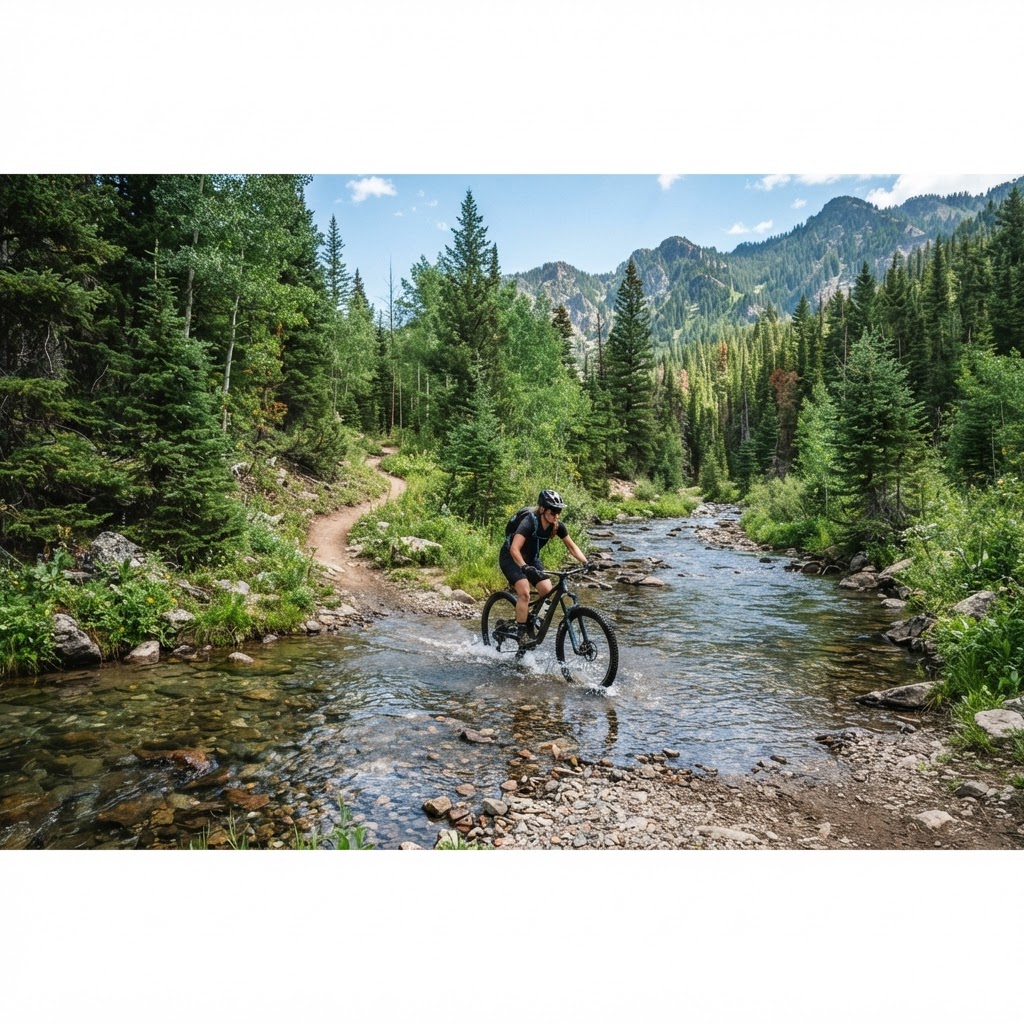
The Rattlesnake Recreation Area is Missoula's backyard wilderness — over 60 miles of trails in a pristine mountain setting just 15 minutes from downtown. Whether you're looking for a quick after-work ride or an all-day backcountry adventure, the Rattlesnake delivers. Here's your ultimate guide to mountain biking in this incredible area.
Getting Started
The main trailhead is at the end of Rattlesnake Drive. From downtown Missoula, it's about a 15-minute drive. The parking area fills up on weekends, so arrive early. There's a vault toilet at the trailhead but no water — bring everything you need.
The Main Rattlesnake Creek Trail
The main trail follows Rattlesnake Creek for about 12 miles into the wilderness. It's a gentle grade, making it perfect for longer out-and-back rides. You can turn around at any point, making it easy to customize your distance. The creek crossings are refreshing on hot summer days.
Side Trails for Advanced Riders
Several side trails branch off the main trail, offering steeper, more technical riding. Spring Creek Trail and Sawmill Gulch are local favorites for riders looking for more challenge. These trails climb higher into the mountains and offer more technical terrain with rocks, roots, and steep pitches.
Wildlife and Safety
The Rattlesnake is home to abundant wildlife including deer, elk, black bears, and occasionally grizzly bears. Carry bear spray, make noise on blind corners, and ride with a partner when possible. The area is also home to moose, which can be aggressive if surprised.
Water Sources
Rattlesnake Creek runs clear and cold, but always treat backcountry water before drinking. There are several natural springs along the main trail. Still, it's best to carry all the water you need, especially on hot days.
Best Seasons
The Rattlesnake is best from late spring through fall. Spring can be muddy, so check conditions. Summer offers the best weather but also the most crowds. Fall is spectacular with cooler temperatures and golden foliage. Winter riding is possible on the lower sections.
Comments (0)
Log in to join the discussion
No comments yet. Be the first to share your thoughts!